
2023 Audi Q4 e-tron: Gross Profit Margin and Financial Performance
Introduction
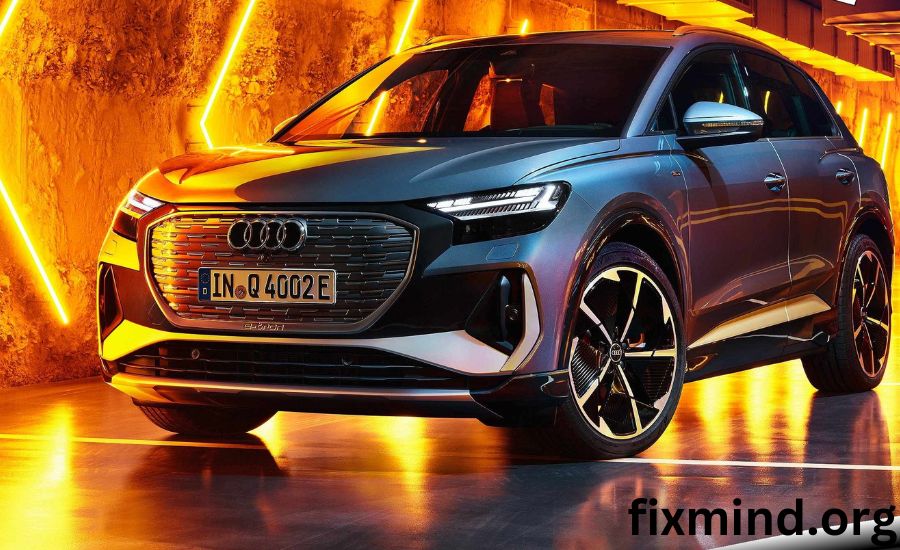
The automotive industry is undergoing a significant transformation, with electric vehicles (EVs) at the forefront of this shift. Audi, a renowned German automaker, has been a major player in this electric revolution. The audi q4 e-tron 2023 gross profit margin is one of the company’s most anticipated electric models, designed to offer a luxurious yet practical driving experience with zero-emissions. The vehicle not only reflects Audi’s commitment to sustainability but also showcases advanced technological features, a premium design, and an impressive performance range.
As the market for electric vehicles continues to grow, the financial performance of automakers becomes an essential indicator of their long-term viability. In this article, we will explore the gross profit margin of the 2023 Audi Q4 e-tron, discuss factors influencing it, and analyze its impact on Audi’s overall financial outlook.
Read More Information About At Fix Mind
What is Gross Profit Margin?
Before diving into the specifics of the Audi Q4 e-tron’s gross profit margin, it’s important to understand what gross profit margin means in the context of the automotive industry.
Gross profit margin is a financial metric that shows the percentage of revenue that exceeds the cost of goods sold (COGS). It is calculated using the following formula:
Gross Profit Margin=(Revenue−COGSRevenue)×100\text{Gross Profit Margin} = \left( \frac{\text{Revenue} – \text{COGS}}{\text{Revenue}} \right) \times 100Gross Profit Margin=(RevenueRevenue−COGS)×100
A higher gross profit margin indicates a more profitable company, as it suggests that the company is able to produce or sell products at a lower cost compared to its sales price. For automakers, this metric is crucial in evaluating the financial health of their products, especially when they are venturing into new segments such as electric vehicles.
The Audi Q4 e-tron: Overview of the 2023 Model
The Audi Q4 e-tron, launched in 2022 as a 2023 model, is Audi’s first fully electric compact crossover SUV. The vehicle is part of the company’s strategy to expand its electric portfolio and meet ambitious sustainability goals. Built on the Volkswagen Group’s MEB platform, the Q4 e-tron shares its basic architecture with other EVs like the Volkswagen ID.4, but Audi has ensured that its luxury credentials are front and center.
Design and Performance
The Q4 e-tron combines elegant aesthetics with a spacious, tech-loaded interior. The exterior features Audi’s signature bold styling, with clean lines and a distinctive front fascia. Inside, the cabin offers premium materials, a digital cockpit, and a suite of advanced driver-assistance systems.
In terms of performance, the Q4 e-tron is available in several configurations:
- Q4 e-tron 40: 201 horsepower, 82 kWh battery
- Q4 e-tron 50: 295 horsepower, dual-motor setup, 82 kWh battery
The Q4 e-tron has a driving range of up to 320 miles on a full charge, depending on the model and configuration, which makes it a strong contender in the competitive EV market.
Technology Features
The 2023 Q4 e-tron is equipped with cutting-edge technology, including:
- Virtual Cockpit: A fully digital dashboard that provides customizable displays for navigation, speed, and other vehicle information.
- MMI Navigation Plus: An intuitive infotainment system that offers real-time navigation, traffic data, and voice recognition.
- Driver Assistance: Includes adaptive cruise control, lane-keeping assist, and automatic emergency braking.
These features are aimed at providing a seamless, high-tech driving experience for the environmentally conscious and tech-savvy consumer.
Audi Q4 e-tron and Gross Profit Margin
Audi’s gross profit margin for the Q4 e-tron will be influenced by various factors, including production costs, pricing strategy, market demand, and competition within the EV segment.
Production Costs
The production cost of the Audi Q4 e-tron is a critical factor in determining its gross profit margin. Several elements contribute to the overall production cost:
- Battery Costs: Batteries are the most expensive component of electric vehicles, accounting for a significant portion of production expenses. In the case of the Q4 e-tron, Audi uses high-performance lithium-ion batteries, which contribute to the high upfront production costs.
- Platform and Assembly: The Q4 e-tron is built on the MEB platform, which is designed specifically for electric vehicles. While the platform itself reduces the cost of development and production for Audi, there are still significant investments in assembly lines, automation, and quality control processes to ensure the vehicle meets the company’s high standards.
- Supply Chain and Logistics: Sourcing components from various suppliers across the globe also adds to the cost. Fluctuations in material prices and supply chain disruptions can affect the gross profit margin, especially as global supply chains continue to stabilize after the pandemic.
Pricing Strategy
Audi’s pricing strategy for the Q4 e-tron plays a key role in its profitability. The starting price for the 2023 Audi Q4 e-tron is around $50,000, which places it in direct competition with other luxury electric SUVs, such as the Tesla Model Y, the Ford Mustang Mach-E, and the Volkswagen ID.4.
Audi’s pricing strategy is designed to offer a premium vehicle with luxury features, but still remain competitive in a market where consumers are becoming increasingly price-sensitive. This delicate balance between affordability and luxury is essential to achieving a healthy gross profit margin.
Demand and Market Positioning
The demand for electric vehicles continues to rise globally, especially in North America and Europe. Audi’s commitment to sustainability, paired with the brand’s premium image, gives it a strong position in the luxury EV segment. The Q4 e-tron has garnered attention for its combination of range, performance, and luxury features, all of which contribute to strong sales.
A higher demand for the Q4 e-tron allows Audi to achieve better economies of scale, which can help reduce the per-unit production cost and improve the gross profit margin. As more customers embrace electric vehicles, Audi’s market share in the EV segment is expected to grow, resulting in more profitable operations.
Competition and Pricing Pressure
The luxury electric SUV market is highly competitive, with major players such as Tesla, Mercedes-Benz, BMW, and Ford all vying for market share. Tesla’s Model Y, in particular, offers strong competition, often at a more competitive price point. Audi will need to strike a balance between maintaining the brand’s premium positioning and offering a compelling value proposition to consumers.
In a competitive environment, Audi’s ability to maintain a premium pricing strategy while controlling production costs will be crucial for ensuring that the Q4 e-tron remains profitable. Price wars or price reductions could hurt the gross profit margin if they erode profitability.
Government Incentives and Subsidies
Government incentives for electric vehicles play an important role in shaping the financial performance of automakers like Audi. In many regions, consumers are eligible for tax credits, rebates, and other incentives that reduce the effective price of electric vehicles. For example, in the United States, the federal government offers a tax credit of up to $7,500 for qualified electric vehicles, which can significantly reduce the cost for consumers.
These incentives not only make electric vehicles more affordable but also help improve demand, which, in turn, can increase production volumes and drive down costs, ultimately improving gross profit margins for manufacturers like Audi.
Impact of Gross Profit Margin on Audi’s Financial Health
The gross profit margin is a crucial indicator of a company’s ability to generate profits from its core business activities. For Audi, the Q4 e-tron represents a significant investment in the electric vehicle market, and its financial performance will play a critical role in the company’s broader financial health.
Audi’s gross profit margin for the Q4 e-tron will impact several areas:
- Sustainability Initiatives: A higher gross profit margin would give Audi more room to reinvest in its electric vehicle program, research and development (R&D), and sustainability initiatives. This would further enhance Audi’s ability to compete in the global EV market.
- Future Product Development: Profitability from the Q4 e-tron can fund future electric vehicle projects, allowing Audi to expand its EV portfolio, which is critical to meeting global emissions targets and consumer demand for electric vehicles.
- Investor Confidence: Gross profit margin is a key metric for investors, as it reflects the company’s ability to maintain profitability in a competitive market. A healthy margin will likely attract more investment in Audi’s electric vehicle segment, which is crucial for long-term growth.
Challenges Ahead for Audi
While the prospects for the 2023 Audi Q4 e-tron are promising, the company faces several challenges in ensuring a favorable gross profit margin:
- Rising Raw Material Prices: The global supply chain for raw materials like lithium, cobalt, and nickel, which are essential for EV batteries, is experiencing price volatility. Any increase in raw material prices could raise production costs and squeeze the gross profit margin.
- Labor Costs: Audi, like many automakers, faces increasing labor costs, especially as it scales up production for the Q4 e-tron. Any strikes or disruptions in labor supply could also negatively affect profitability.
- Regulatory Pressure: Governments worldwide are implementing stricter emissions regulations, and Audi’s ability to meet these regulations while maintaining profitability is crucial for long-term success in the EV market.
4o