
Everything You Need To Know About Dental Fillings
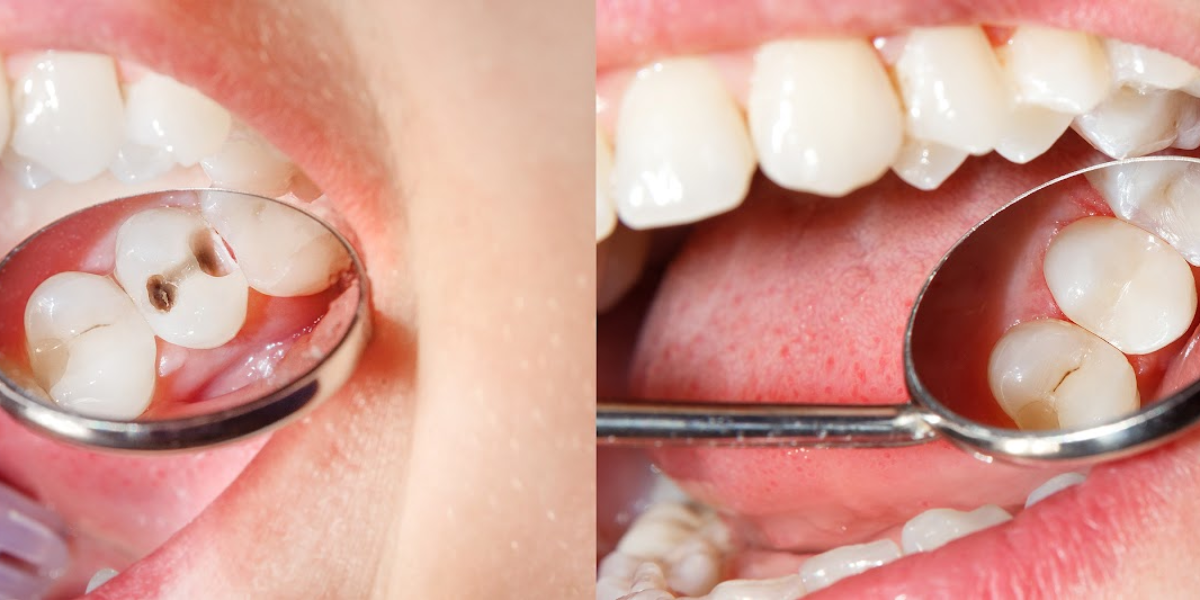
Dental health is vital to your well-being. One common procedure you may encounter is a dental filling. This simple treatment addresses cavities and prevents future decay. Understanding dental fillings empowers you to make informed decisions about your oral health. You deserve clear, straightforward answers about this procedure. This guide covers everything you need to know about dental fillings. You may wonder how they relate to dental crowns in Hollywood. While crowns restore larger damaged areas, fillings directly address cavities. When you have good knowledge of each type of dental care, you can ensure you receive the right treatment for your needs. Knowing when you need a filling and what materials are available gives you control over your dental care choices. In the following sections, you’ll explore the process, types of fillings, and how they impact your life. Prepare to feel informed and confident about your dental health.
What Are Dental Fillings?
Dental fillings repair teeth damaged by cavities. Cavities, or tooth decay, happen when plaque builds up and weakens enamel. Fillings restore structure and function to the tooth. Without them, decay can worsen, leading to more serious dental issues.
How Are Fillings Done?
The procedure is straightforward:
- Your dentist examines the affected tooth.
- Local anesthesia numbs the area to prevent discomfort.
- The decayed part of the tooth is removed.
- Your dentist cleans the cavity and prepares it for the filling.
- The filling material is applied and shaped to match the natural tooth.
- A special light hardens the filling, securing it in place.
Types of Filling Materials
Different materials are available for fillings. Choosing the right one depends on the location of the cavity, cost, and your dentist’s recommendation.
| Material | Advantages | Disadvantages |
| Amalgam | Durable, long-lasting | Visible, contains metal |
| Composite | Natural appearance, bonds well | Less durable, more expensive |
| Ceramic | Stain-resistant, aesthetic | Can be brittle, costly |
| Gold | Very durable, long-lasting | Expensive, visible |
When Do You Need a Filling?
Regular dental check-ups help identify cavities early. If you notice any pain, sensitivity, or visible holes in your teeth, a filling may be necessary. Early treatment prevents the need for more complex procedures later.
Benefits of Dental Fillings
Fillings offer several benefits:
- Repair small areas of decay and restore tooth function.
- Prevent further decay and potential tooth loss.
- Improve your smile’s appearance.
Taking Care of Fillings
Proper care extends the life of your fillings. Consider these tips:
- Brush and floss daily to maintain oral hygiene.
- Visit your dentist regularly to monitor your fillings.
- Avoid biting hard objects that can damage fillings.
Potential Risks and Complications
While fillings are effective, there are potential risks:
- Tooth sensitivity: Some experience sensitivity after a filling. This usually subsides soon after.
- Filling damage: Fillings can crack or wear out over time, needing repairs or replacement.
Conclusion
Dental fillings are a reliable solution for treating cavities and maintaining oral health. By understanding the procedure, types of materials, and proper care, you make better decisions for your dental needs. For more information, check resources like the National Institute of Dental and Craniofacial Research and consult with your dentist regularly to ensure the best care for your teeth. Addressing cavities early with fillings supports a healthy, confident smile.