
How Door Handles Can Make or Break Your Home’s Look
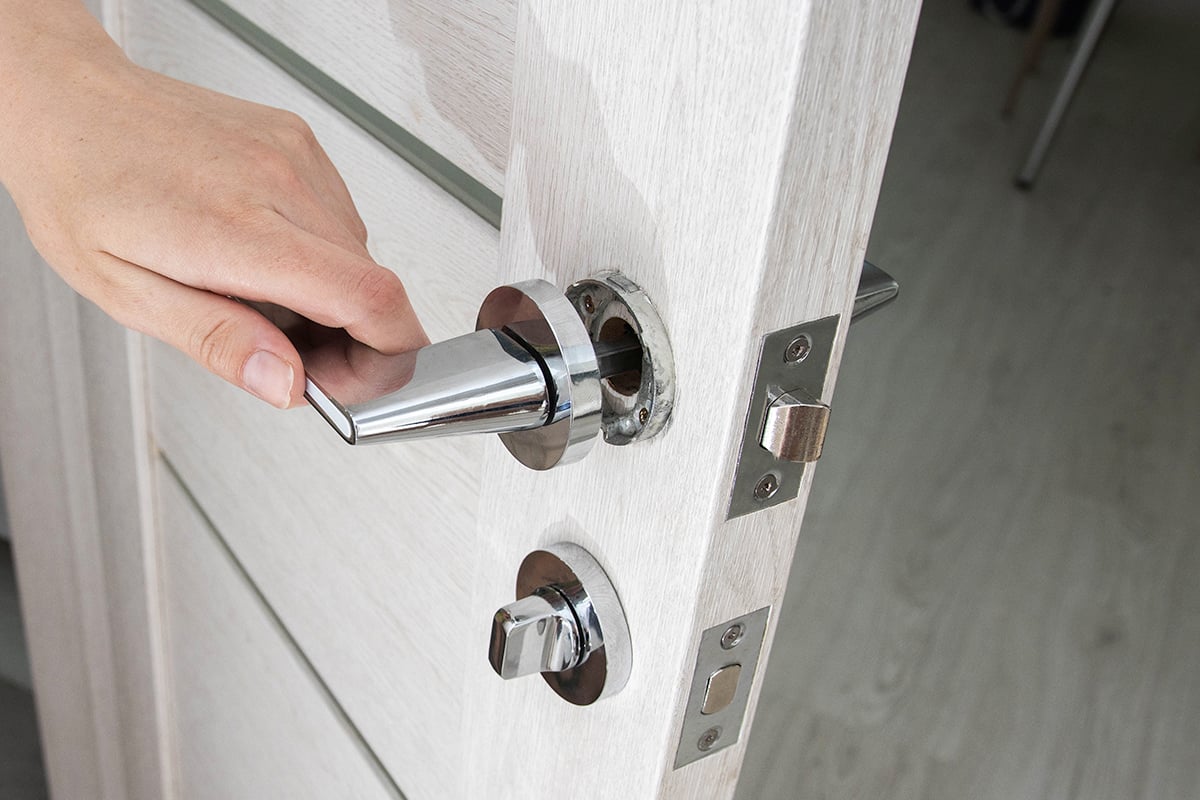
Door handles are the kind of thing you don’t notice—until they’re wrong. They’re small, sure, but they’ve got a sneaky way of shaping how your home feels. Get them right, and they’re a quiet finishing touch that pulls everything together. Get them wrong, and they can throw off your whole vibe, like a sour note in a song. Whether you’re sprucing up a single room or redoing your entire place, door handles4u are a detail worth sweating. Let’s dig into how they can make or break your home’s look—and how to choose ones that’ll lift your space to the next level.
The Unexpected Impact of Door Handles
Walk through your home and count how many times you touch a door handle in a day. Dozens, right? They’re everywhere—bedrooms, bathrooms, closets, the front door—and they’re one of the few things that bridge function and design so directly. A gorgeous handle can make a plain door feel intentional, while a cheap, mismatched one can drag down even the fanciest room.
It’s not just about aesthetics, either. A handles 4u that’s awkward to use or clashes with your décor sticks out like a sore thumb. On the flip side, one that fits seamlessly can elevate your space without you even realizing it. Door handles are the ultimate supporting actors—when they’re good, they make the whole production shine.
When Handles Go Wrong: The “Break” Factor
Ever walked into a home where something just felt off? Sometimes, it’s the door handles. Picture this: a sleek, modern living room with crisp white walls and minimalist furniture—then you spot a gaudy, gold-plated knob straight out of the ‘80s. It’s jarring. Or imagine a cozy farmhouse kitchen with weathered wood and plaid curtains, paired with shiny chrome levers that scream “corporate office.” The mismatch kills the mood.
Poor quality can break the look, too. A wobbly handle or one that’s scratched and faded makes a room feel neglected, no matter how nice the rest of it is. And don’t get me started on function—a sticky lock or a knob that’s hard to turn can turn a small annoyance into a daily frustration. When door handles don’t fit the style or hold up to use, they drag your home’s look down with them.
Making It Right: The Power of a Perfect Fit
Now flip the script. Imagine opening a door with a handle that feels just right—smooth, solid, and styled to match the room. In a traditional home, a polished brass knob with subtle detailing can add warmth and charm. In a modern space, a matte black lever can sharpen the edges and tie into sleek furniture. Even in an eclectic setup, a quirky vintage handle can become a conversation starter.
The magic happens when handles complement the bigger picture. They don’t need to scream for attention—just quietly enhance what’s already there. A well-chosen handle can make a door feel like part of the design, not just a way in and out. It’s a small tweak that says, “This home is loved.”
Material and Finish: The Building Blocks
The first step to nailing your door handles is picking the right material. Brass is a go-to for its durability and range—polished for shine, antiqued for character. Stainless steel keeps things clean and contemporary, resisting wear like a champ. Bronze brings depth and richness, perfect for a luxe or rustic feel. Want something different—“Glass knobs can sparkle in a vintage setup, while ceramic adds a soft, colorful twist.
Finishes seal the deal. Shiny ones pop but show every fingerprint; matte or brushed options are subtler and easier to maintain. Trending picks like matte black or oil-rubbed bronze can make a bold statement, while nickel or chrome stay timeless. Think about your home’s palette—handles should echo other metals (like faucets or hinges) or contrast them thoughtfully.
Style: The Personality Piece
Door handles come in endless flavors, and the style you choose sets the tone. Traditional homes love round knobs—think ornate designs or simple curves that feel familiar. Rustic spaces lean toward levers or pulls in distressed finishes, like weathered brass or iron. Modern designs call for streamlined levers or geometric knobs in cool, neutral tones.
Scale matters, too. A tiny knob on a big door can look lost, while an oversized lever on a small closet door might overwhelm it. Match the handle to the door’s vibe—grand entryways deserve something substantial, while a pantry door can keep it low-key. The goal is harmony, not competition.
Function: Where Practicality Meets Design
A handle can be stunning, but if it doesn’t work, it’s a bust. Ergonomics come first—levers are easier to grip than knobs, especially for kids or anyone with mobility challenges. Knobs can still win if they’re the right size and shape, but test them out. You don’t want to wrestle your way into a room.
Consider the door’s job, too. Privacy handles with locks are non-negotiable for bathrooms and bedrooms. Passage handles (no lock) suit open areas like living rooms. Dummy handles—purely decorative—work for double doors or fixed panels. And in high-use spots, like the kitchen or front entry, durability is king—cheap hardware won’t cut it.
Installation: Getting It Done
Swapping door handles is usually a DIY win. Most come with screws and instructions—pop off the old one, line up the new, and screw it in. If your doors have standard holes, it’s a cinch. A screwdriver and 10 minutes per door can do the trick.
But if you’re updating a whole house or dealing with tricky doors (think misaligned latches or odd sizes), a handyman might be worth it. Measure carefully—handles need to fit the existing setup or you’ll be drilling new holes. Either way, it’s a low-effort way to see a big change.
Budget: Big Impact, Small Spend
Door handles fit any price point. Basic ones start at $5-$15—functional and fine for a quick fix. Mid-tier options ($20-$40) offer better materials and cooler designs. High-end handles—think custom finishes or designer brands—can hit $50-$100 each, ideal for statement doors.
Count your doors and set a budget. You might splurge on the front door and go cheaper on closets. Mixing price points keeps costs down while still looking sharp. It’s proof you don’t need a fortune to make your home look good.
Trends to Play With
Door handle trends can inspire your choice. Right now, matte black is huge—edgy and versatile, it works everywhere. Warm metals like brass and copper are back, especially in brushed finishes that feel cozy. Levers are overtaking knobs for their sleek look and easy use. Even textured handles—like knurled or hammered metal—are popping up for a tactile twist.
Trends are fun, but don’t chase them blindly. Pick what fits your home and your life—something you’ll still love when the next big thing rolls around.
Personalizing Your Look
Door handles are a chance to show your style. Love old-school charm? Hunt down antique brass or crystal knobs. Into bold moves? Try painted handles in a pop of color. Even the shape—like a funky lever or a chunky knob—can reflect you.
Think about your home’s story. A cottage might glow with rustic iron, while a loft could rock sharp steel. Hold a few options up to your doors—what feels right? It’s your space, so make it yours.
The Bottom Line: Details That Deliver
Door handles might not steal the spotlight, but they can make or break your home’s look. A bad choice disrupts the flow; a great one ties it all together. They’re affordable, easy to change, and pack a surprising punch. So next time you’re tweaking your space, don’t skip the handles—they’re the little detail that can take your home from “meh” to “mine.”
