A Comprehensive Guide on How to Book a Polygraph Test
Introduction: Understanding the Polygraph Test
In today’s complex social, legal, and corporate landscapes, truth verification has become a vital tool. Whether it’s used in criminal investigations, pre-employment screenings, personal matters, or corporate disputes, the polygraph test—often referred to as a lie detector test—has emerged as one of the most discussed and debated tools in determining the veracity of a person’s statements. If you are considering booking a polygraph test, whether for professional, personal, or legal reasons, understanding how the process works is crucial. This guide will walk you through everything you need to know about how to book a polygraph test: what it is, who conducts them, when they are appropriate, how to find a qualified examiner, costs involved, what to expect during the test, and how the results are interpreted. By the end of this article, you’ll be fully informed on how to book a polygraph test with confidence and clarity.
What is a Polygraph Test?
Before diving into the booking process, it’s important to understand what a polygraph test actually entails. A polygraph is a device that measures and records several physiological indicators such as blood pressure, pulse, respiration, and skin conductivity while the subject answers a series of questions. The underlying theory is that deceptive answers will produce physiological responses that can be differentiated from those associated with truthful answers. The test is administered by a trained polygraph examiner who interprets the results to determine whether a person is being deceptive or truthful.
It’s crucial to note that the polygraph test is not infallible, and its admissibility in court varies across jurisdictions. However, in many contexts, especially in employment screenings, relationship counseling, and private investigations, it remains a widely used tool.
When and Why You Might Need a Polygraph Test
There are numerous scenarios in which a polygraph test might be required or desired. In criminal cases, law enforcement agencies may use polygraph tests to support investigations or confirm suspects’ statements. While not always admissible as evidence in court, they can influence the direction of a case.
In the private sector, employers—particularly in government agencies, law enforcement, and security companies—may require polygraph tests as part of the hiring process. In the corporate world, employers sometimes use polygraph testing during internal investigations concerning fraud, theft, or breaches of conduct.
On the personal front, polygraph tests are occasionally used in relationship disputes to clarify issues like infidelity or trust violations. Although emotionally charged and controversial, some couples opt for this route to resolve deep-seated doubts.
Regardless of the context, booking a polygraph test is a significant decision that should be taken seriously, with a clear understanding of its implications and limitations.
Step-by-Step Guide to Booking a Polygraph Test
Booking a polygraph test may seem like a daunting task, especially if it’s your first time, but the process is relatively straightforward once you understand the steps involved. Below is a detailed, step-by-step guide to help you navigate the process from start to finish.
Step 1: Determine the Purpose of the Test
The first step is identifying the specific purpose of the polygraph test. Are you taking the test voluntarily or as a requirement? Is it for legal purposes, pre-employment screening, personal reasons, or something else? Your answer to this question will influence the type of examiner you need to hire and the kind of test that will be administered. For example, legal and employment-related tests may require an examiner who is licensed or certified by a recognized professional association.
Step 2: Research Qualified Polygraph Examiners
Not all polygraph examiners are created equal. It is critical to find a reputable, qualified, and experienced examiner. Begin your search by looking for professionals who are members of recognized organizations such as the American Polygraph Association (APA), the British Polygraph Association (BPA), or other country-specific regulatory bodies. These organizations have strict ethical standards and require rigorous training and certification.
Check for reviews, testimonials, and credentials. You may also want to ask for referrals from lawyers, HR professionals, or law enforcement agencies, as they often work closely with polygraph examiners.
Step 3: Contact and Consult the Examiner
Once you’ve identified a few potential examiners, reach out to them directly. Many reputable examiners offer a free initial consultation to discuss your needs and explain how the process works. During this consultation, be prepared to share why you want the test, what questions you have in mind, and whether you’re the one taking the test or booking it for someone else.
The examiner will evaluate whether your situation is appropriate for polygraph testing. Some cases may be rejected if the subject is under the influence of drugs or alcohol, has certain medical or psychological conditions, or if the test cannot be conducted impartially.
Step 4: Review the Test Structure and Pricing
During the consultation or initial booking phase, make sure to get a detailed understanding of the test structure. A typical polygraph session lasts between 90 minutes and two hours, including a pre-test interview, the test itself, and a post-test discussion. Clarify how the examiner will phrase the questions and how the results will be reported.
Cost is another crucial consideration. Prices for polygraph tests vary widely depending on location, the examiner’s credentials, and the complexity of the test. In the U.S., for instance, a basic test can cost anywhere from $200 to $800, while specialized or legal tests may go upwards of $1,500.
Make sure you understand the payment terms—some examiners require a deposit or full payment upfront. Also, ask about the cancellation policy and whether refunds are available.
Step 5: Confirm the Booking and Prepare for the Test
Once all the terms are agreed upon, you can finalize the booking. You’ll typically receive a confirmation email or letter detailing the date, time, location, and any preparation instructions. Most examiners recommend that the subject gets a good night’s sleep, avoids alcohol or medication that could affect physiological responses, and refrains from caffeine a few hours before the test.
Some examiners may request documentation such as ID verification, signed consent forms, and a written list of agreed-upon questions. Following these guidelines helps ensure the integrity and reliability of the test results.
What to Expect During the Test
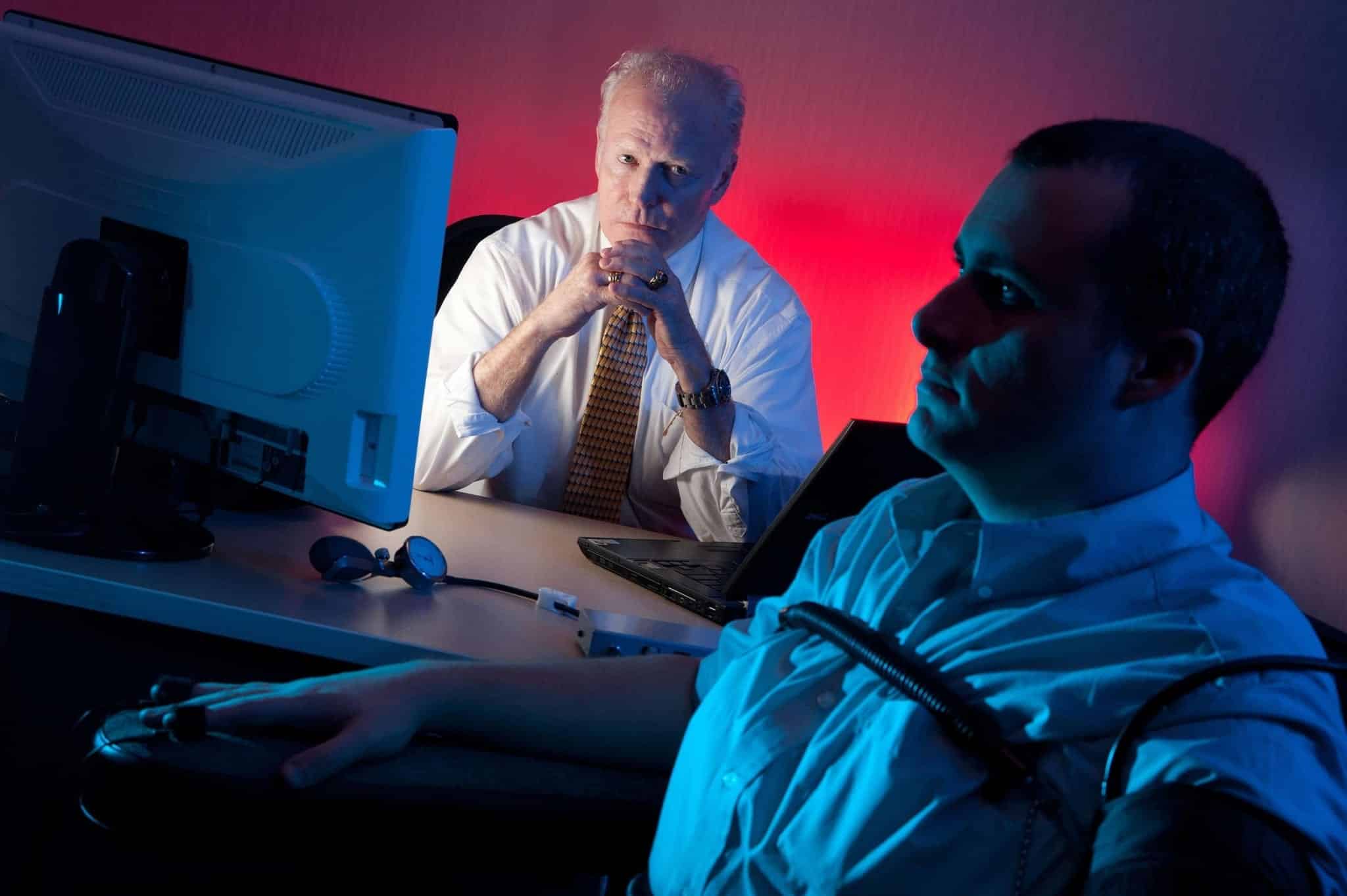
On the day of the polygraph test, arrive early and bring any required documents. The environment is usually a quiet, private room equipped with the polygraph machine and monitoring tools.
The session begins with a pre-test interview, during which the examiner will review your case, explain how the equipment works, and go over the questions that will be asked. This stage is crucial in ensuring the subject understands and agrees to the process.
Next, sensors will be attached to your fingers, chest, and arms to monitor physiological responses. You will then be asked a series of relevant and control questions to establish a baseline. The test itself typically consists of 10–15 questions and is repeated several times for accuracy.
After the test, the examiner will interpret the results, which may take anywhere from a few minutes to a few hours depending on the complexity of the case. In some cases, a detailed written report is provided within 24 to 48 hours.
Understanding the Results and Next Steps
Polygraph results are generally classified into three categories:
- Truthful (No Deception Indicated)
- Deceptive (Deception Indicated)
- Inconclusive
Inconclusive results can occur due to nervousness, inconsistent physiological responses, or external factors such as illness or medication. If the results are inconclusive, a retest may be recommended.
Keep in mind that while polygraph tests are a useful tool, they are not definitive proof of guilt or innocence. Their admissibility in legal proceedings depends on local laws and regulations.
For private or corporate matters, the results may be used to guide decisions but should be weighed alongside other evidence and context.
Legal and Ethical Considerations
Before booking a polygraph test, it’s essential to be aware of the legal and ethical issues involved. In many jurisdictions, a person must give informed consent before undergoing a polygraph test. Coercing someone to take the test is not only unethical but can also render the results invalid.
If the test is for employment purposes, employers in the United States, for instance, must comply with the Employee Polygraph Protection Act (EPPA), which restricts the use of polygraph testing in the private sector. Always check local laws or consult a legal advisor before proceeding.
Also, consider the emotional and psychological effects the test may have, especially in personal or relationship contexts. A polygraph should never be used as a weapon to manipulate or pressure someone emotionally.
Conclusion: Making an Informed Decision
Booking a polygraph test is a serious decision that involves emotional, financial, and legal considerations. Whether you’re doing it to resolve a personal conflict, satisfy an employment requirement, or assist in a legal investigation, understanding the process is crucial to ensuring a successful outcome. From identifying your purpose to selecting a qualified examiner and preparing adequately, each step plays a role in the overall reliability and effectiveness of the test.
The polygraph test, while not perfect, remains a valuable tool in specific contexts when used responsibly and ethically. By following the steps outlined in this guide, you can approach the process with clarity, confidence, and informed judgment—ensuring that your experience with a polygraph test is as smooth and effective as possible.